
Manufacturability Review
Drawing and geometry review helps identify bend, access, tolerance, interface, and finishing risks before material enters production.
Precision sheet-metal cutting, forming, bending, and assembly supported by engineering review, complimentary sample validation, and coordinated finishing—from prototype through repeat production.
Request a Quote →Talk to EngineeringJLYPT converts sheet-metal drawings into production-ready brackets, panels, covers, housings, enclosures, frames, and formed components. Cutting, forming, bending, stamping, assembly, and surface finishing can be coordinated within one manufacturing program.
Our engineers review material, thickness, bend geometry, tolerances, interfaces, hardware, cosmetic zones, finishing requirements, packaging, and inspection criteria before production. Early review helps identify manufacturability risks and reduce avoidable rework.
The fabrication route is selected around part geometry, material, tolerances, volume, assembly needs, and final surface requirements.
Drawing and geometry review helps identify bend, access, tolerance, interface, and finishing risks before material enters production.
Controlled cutting and forming sequences support stable dimensions and repeatability across prototypes and recurring orders.
Fabrication, stamping, anodizing, electroplating, PVD, and DLC can be coordinated to reduce handoffs and simplify responsibility.
Cosmetic zones and final finishes are considered during fabrication so parts move into surface treatment with suitable preparation.
Engineering collaboration and sample validation help refine geometry, fit, appearance, and assembly before repeat production.
Documented inspection, traceability, and coordinated workflows support repeat orders and global production programs.
Final manufacturing steps are confirmed from the drawing, material, thickness, tolerances, quantity, finishing requirements, and approved sample.
Sheet-metal blanks and formed parts manufactured around drawing dimensions, bend geometry, interfaces, and downstream finishing requirements.
Fabricated parts coordinated with stamping, component assembly, inspection, surface finishing, packaging, and worldwide delivery.
The most efficient route depends on geometry, material, thickness, quantity, tolerance, appearance, and downstream finish. JLYPT coordinates the required stages around the complete part rather than treating fabrication as an isolated step.
JLYPT organizes each project around the complete manufacturing route. Exact equipment, workable envelope, tolerance, tooling, and inspection plans are confirmed after drawing review.
Material, bends, datums, tolerances, interfaces, finish, and inspection.
Grade, thickness, condition, grain direction, surface protection, and yield.
Flat patterns, holes, slots, cutouts, edge condition, and downstream access.
Bend sequence, radii, springback, flange access, and formed geometry.
Fit, interfaces, critical characteristics, cosmetic zones, and records.
Approved surface process, protection, packaging, and global logistics.
Send the complete drawing package and identify functional interfaces, datums, critical dimensions, cosmetic surfaces, finishing requirements, and assembly relationships. Our engineers will review manufacturability and recommend a sampling plan.
Surface performance, controlled appearance, and responsive engineering for prototype and production programs.
Lightweight brackets, panels, covers, housings, and precision structural components.
Electronic enclosures, panels, frames, shields, brackets, and equipment housings.
Battery-system hardware, covers, brackets, frames, and vehicle-related formed components.
Machine guards, equipment panels, brackets, covers, frames, and production hardware.
Equipment enclosures, trays, brackets, instrument structures, and controlled hardware.
Marine panels, enclosures, brackets, covers, and corrosion-managed assemblies.
Lightweight frames, brackets, guards, mounts, and precision formed components.
Consumer housings, display hardware, decorative structures, and finish-ready components.
Our team translates drawings and end-use requirements into a practical, controlled finishing route.
Material, thickness, geometry, bends, tolerances, datums, cosmetic zones, finishing, assembly, inspection, and packaging are reviewed before production.
Qualified projects can confirm finish quality and alignment before production.
ISO 9001:2015 quality management, documented inspection, and traceability support controlled, repeatable production.
China manufacturing, a U.S. representative office, and door-to-door logistics support customers worldwide.
Responsive coordination supports validation, repeat orders, and scaled production.
Fabrication, stamping, electroplating, PVD, and DLC can reduce supplier handoffs.
Provide the latest 2D drawing, 3D model when available, material and thickness, quantities, tolerances, finish, cosmetic zones, assembly expectations, and delivery requirements.
Yes. Fabrication can be coordinated with anodizing, electroplating, PVD, DLC, and other approved processes to reduce supplier handoffs and maintain responsibility for the finished component.
Yes. We support engineering review and complimentary samples for qualified projects, then carry the approved requirements into repeat production.
Send drawings and models, material and thickness, quantities, critical tolerances, finish, cosmetic zones, assembly requirements, packaging, and delivery destination.
Yes. Complimentary sample processing is available for qualified projects to confirm quality and process alignment.
Yes. We manufacture in China, support customers through our U.S. representative office, and coordinate door-to-door logistics.
Original project photographs show the supplied machined components before welding and the completed sample after localized joining.
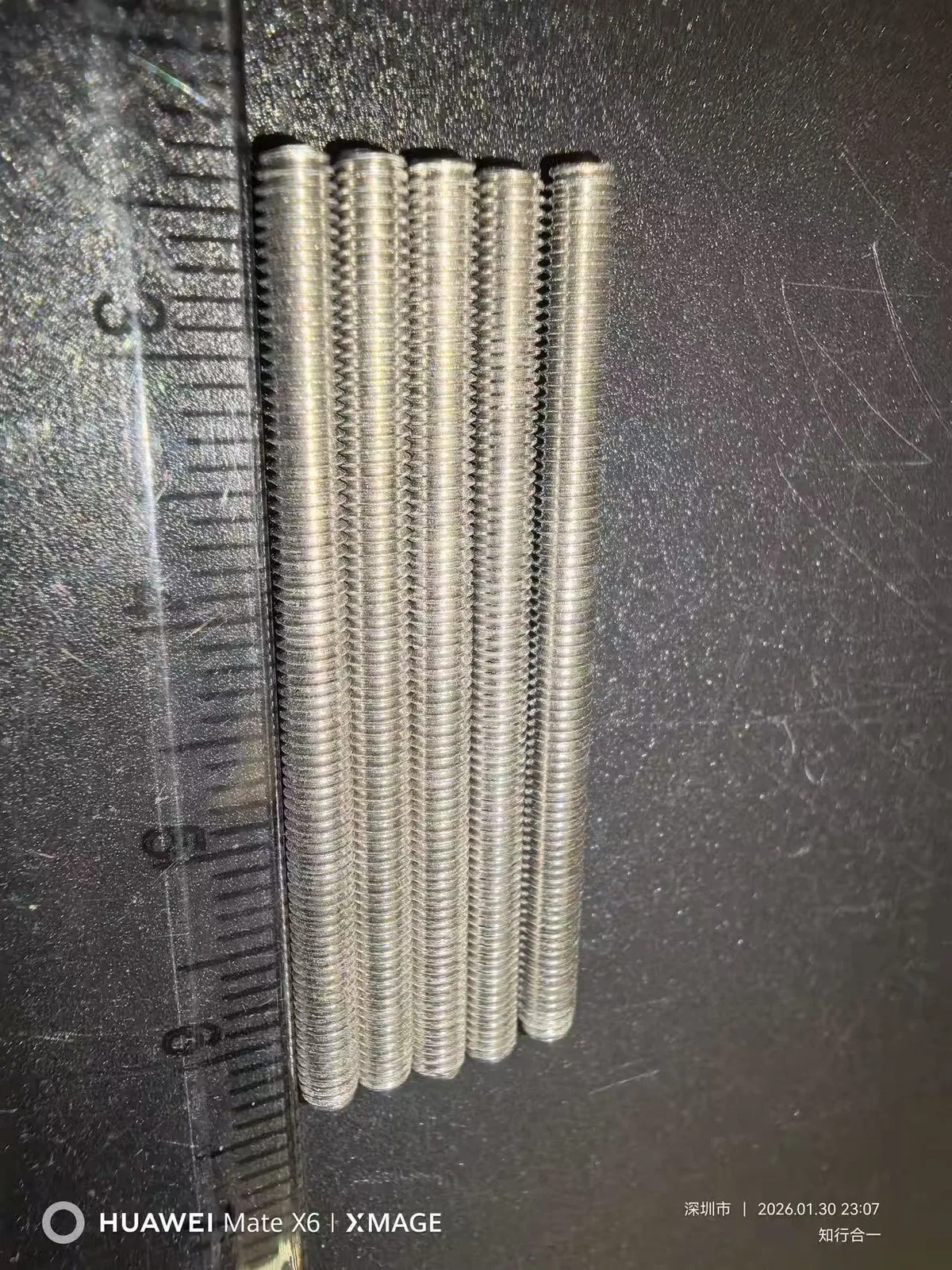
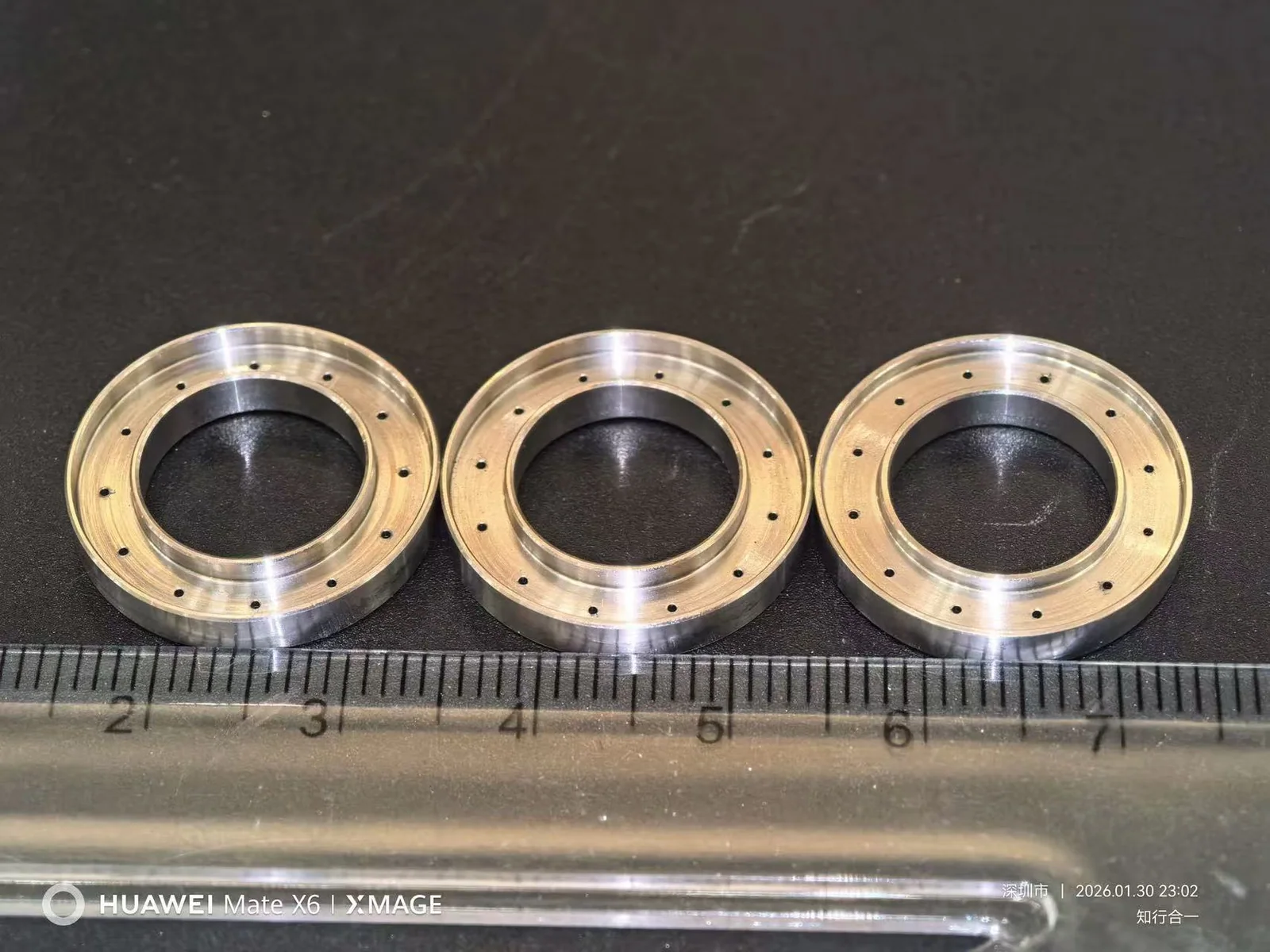
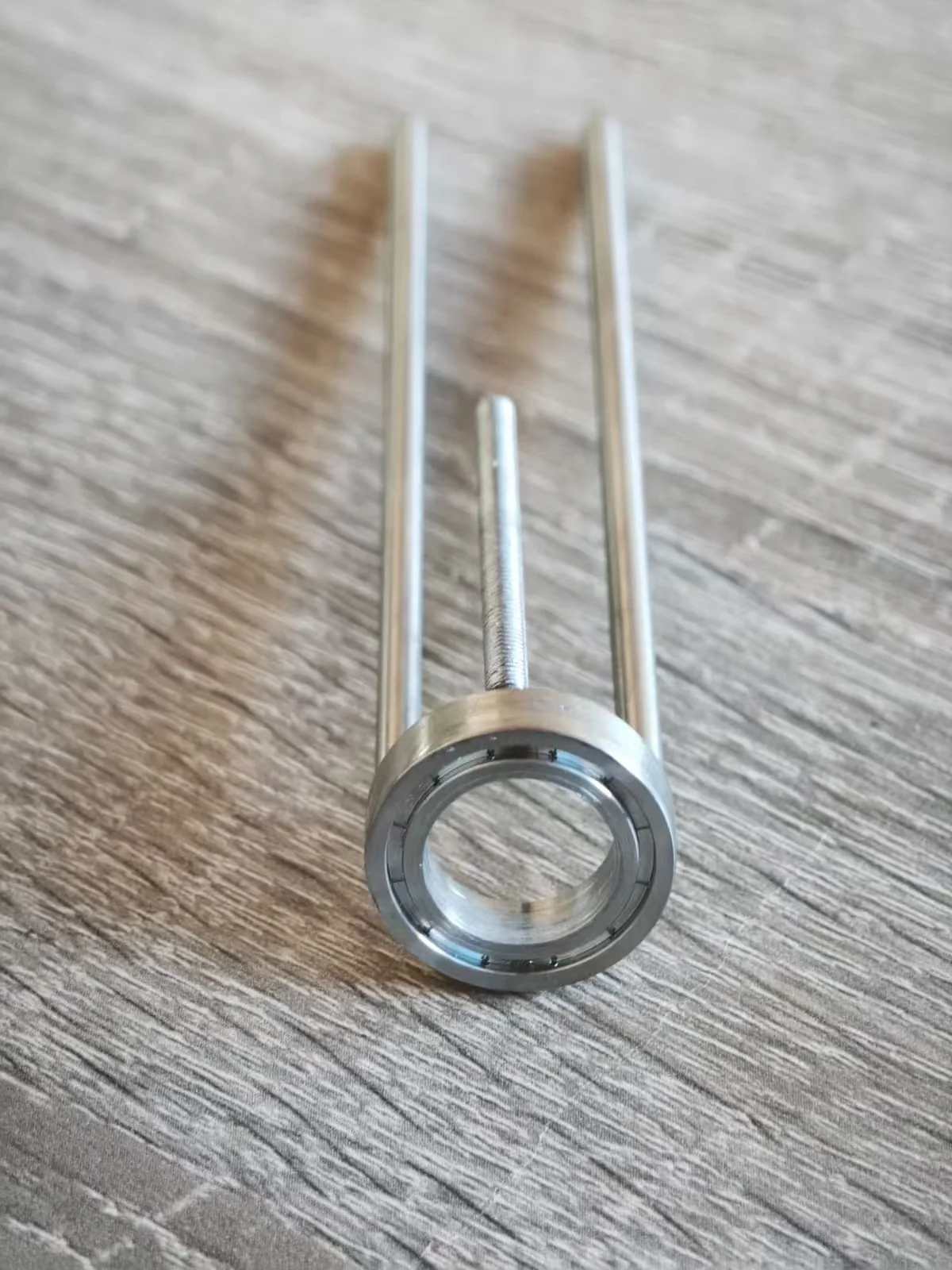
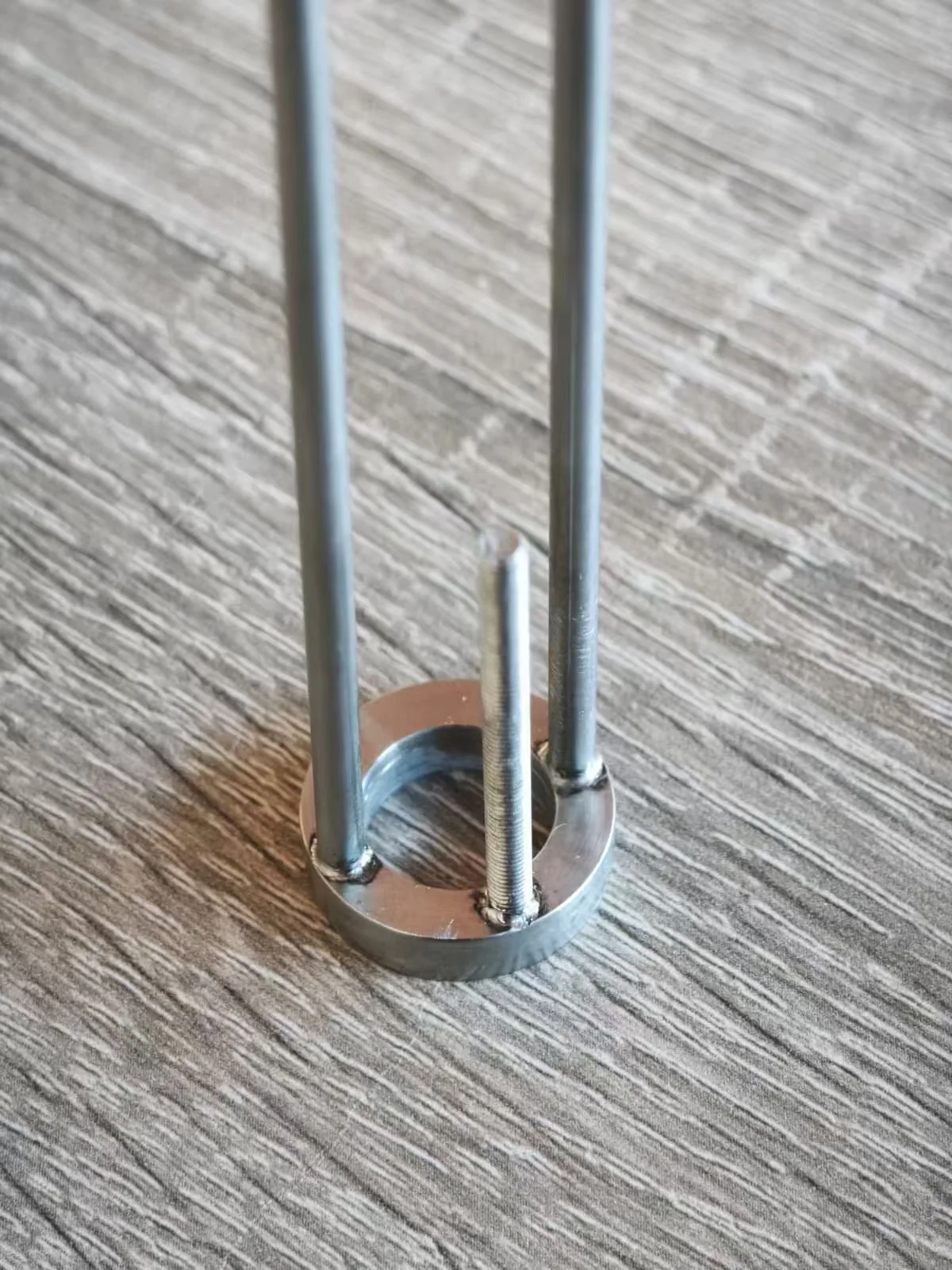
The sample helped move an early-stage product from separate components toward a physical assembly that could be reviewed for fit, joint location, appearance, and production planning. Customer identity and proprietary application details remain confidential.
View Full Case Study →Our engineers will review the drawing, material, geometry, tolerances, finishing, and assembly needs to recommend the most suitable fabrication and validation route.